
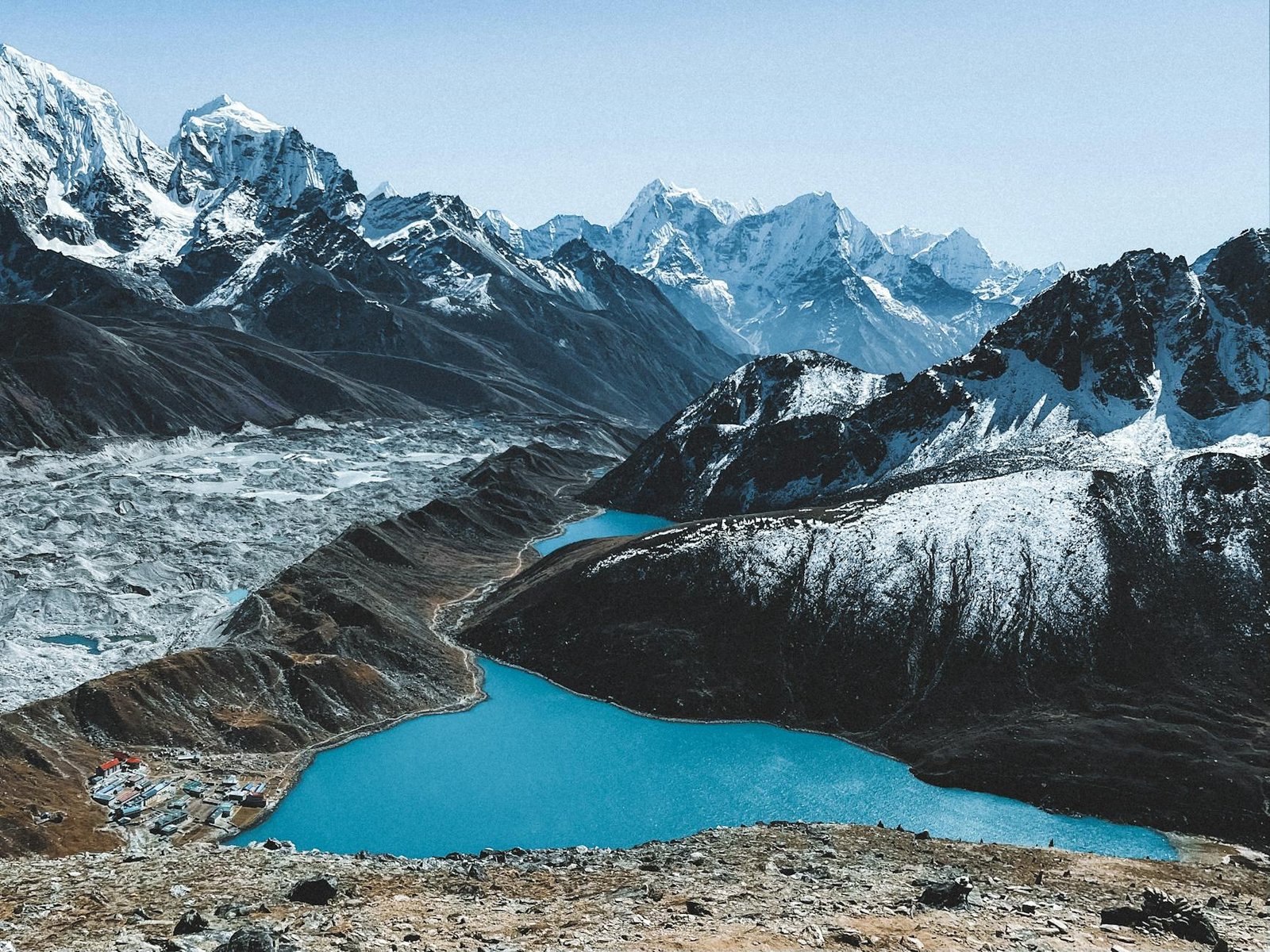
Ask most first-time trekkers in Nepal where they plan to go and you will hear Everest or Annapurna. Ask experienced Himalayan trekkers which trek they keep returning to, and a surprising number will say Langtang. Just 51 kilometres north of Kathmandu as the crow flies, the Langtang Valley is the closest high-Himalayan trekking destination to the capital and one of the most rewarding — yet it remains far less crowded than either of Nepal’s two famous trekking giants.
The valley offers glacier views, a 7th-century monastery, a working yak cheese factory, extraordinary Tamang culture, and ridgeline viewpoints that rival anything on the Everest or Annapurna routes. And it can be completed in as little as seven days from Kathmandu, making it the ideal choice for trekkers with limited time or those testing the Himalayas for the first time.
Langtang Valley Trek: Key Facts
| Detail | Information |
|---|---|
| Maximum Altitude | 4,984 m (Tserko Ri viewpoint) |
| Base Trek Altitude | 3,870 m (Kyanjin Gompa) |
| Total Distance | Approx. 65 km (round trip) |
| Duration | 7–10 days |
| Difficulty | Moderate |
| Best Season | March–May, October–November |
| Starting Point | Syabrubesi (5–6 hours from Kathmandu) |
| Required Permits | Langtang National Park Permit + TIMS Card |
| Daily Walking Hours | 4–6 hours |
Why Langtang Deserves Your Attention
The Langtang Valley was formed by the Langtang Glacier and runs roughly east to west, flanked by the Nepal–Tibet border ridge to the north and the Ganesh Himal to the south. It is a remarkably compact Himalayan landscape: from the sub-tropical lower valley you rise through dense forests of oak, maple, rhododendron, and bamboo into open alpine meadows and eventually a glacier-studded upper valley that feels like the roof of the world.
The Tamang people — Tibetan Buddhists who have inhabited these mountains for centuries — are among the most welcoming hosts in Nepal. Their stone-and-timber villages, decorated with mani stones, prayer flags, and hand-painted wooden windows, have a medieval beauty that is entirely authentic; this is not a landscape staged for tourism.
The 2015 earthquake caused devastating damage in the valley — Langtang village was buried by a landslide. The rebuilt village and the remarkable resilience of its community are now part of the trekking story, and visiting Langtang is an act of solidarity as much as adventure.
The Langtang Valley Trek Route: Day by Day
Day 1: Kathmandu to Syabrubesi (1,460 m)
Syabrubesi is the gateway village for the Langtang Valley and accessible by a 5–6 hour drive from Kathmandu (approximately 117 km). The road winds through river gorges and terraced hillsides — the drive itself is an introduction to Nepal’s dramatic terrain. Most trekkers take a morning bus or private jeep and arrive in Syabrubesi by early afternoon, allowing a night to settle before beginning the walk.
An alternative for those pressed for time is to stay in Dhunche (2,030 m), the district headquarters 20 km before Syabrubesi — it sits at higher altitude and cuts the first day’s climb.
Day 2: Syabrubesi to Lama Hotel (2,470 m)
The trail begins at the Bhote Koshi River and immediately enters Langtang National Park. The route climbs through dense subtropical forest — oak, chestnut, and bamboo at lower elevations — alongside the Langtang Khola river. The sound of water is constant and the trail is shaded for most of the morning. Watch for langur monkeys and red pandas in the forest canopy; the valley is renowned for its biodiversity.
Lama Hotel is a collection of teahouses where the forest begins to thin and the Himalayan peaks first appear above the valley walls. Walking time: 5–6 hours.
Day 3: Lama Hotel to Langtang Village (3,430 m)
The trail opens up significantly as the valley widens. You pass through Ghoda Tabela — a former Tibetan cavalry outpost now home to a national park ranger checkpoint — and continue into the upper valley where yak herds graze on wide alpine meadows.
Langtang village, rebuilt after the 2015 earthquake, now consists of neat stone lodges and teahouses. The tragedy of the earthquake (an avalanche buried the old village in seconds, killing more than 350 people) is respectfully documented at a memorial near the village entrance. Walking time: 5–6 hours.
Day 4: Langtang Village to Kyanjin Gompa (3,870 m)
The trail continues up the open valley with the Langtang Glacier increasingly visible ahead. The Langtang Lirung (7,227 m) — the highest peak in the Langtang range — dominates the northern skyline.
Kyanjin Gompa is the upper settlement and the heart of the trek. The ancient monastery (dating to the 7th century according to local tradition) sits on a flat, glacier-carved plateau surrounded by peaks above 6,000 m. The famous Kyanjin Cheese Factory here has been producing yak cheese since it was established with Swiss assistance in the 1950s — the fresh and aged cheese is exceptional and not to be missed.
Walking time: 3–4 hours.
Day 5: Acclimatisation and Exploration from Kyanjin Gompa
A full rest and exploration day in Kyanjin Gompa is strongly recommended for several reasons: acclimatisation for anyone continuing to higher viewpoints, exploration of the monastery and cheese factory, and the sheer pleasure of spending a day in one of Nepal’s most dramatic alpine settings.
Kyanjin Ri (4,773 m) — the hill directly above Kyanjin Gompa — is a 3-hour return hike offering a superb panoramic view of the valley and the surrounding peaks. Most trekkers do this in the morning while the skies are clear.
Langshisa Kharka — the high yak pasture an hour further up the valley — is an excellent afternoon walk with views of the Langtang Glacier’s terminal moraine.
Day 6 (Optional Summit): Tserko Ri (4,984 m)
For those seeking a more challenging viewpoint, the ascent of Tserko Ri — a rocky summit directly north of Kyanjin Gompa — is one of the best non-technical viewpoint climbs in the Nepal Himalayas. The 4–5 hour round trip (from Kyanjin Gompa) gains over 1,000 metres on a steep but well-marked trail.
From the summit at 4,984 m, the panorama includes Langtang Lirung (7,227 m), Dorje Lakpa (6,966 m), Gangchenpo (6,387 m), and the entire length of the Langtang Valley stretching south to the forested lower sections you walked three days ago. On a clear morning in October or November, this view rivals any viewpoint in Nepal.
Note: Tserko Ri should only be attempted by well-acclimatised, fit trekkers. Do not attempt in poor weather.
Days 7–8: Descent — Kyanjin Gompa to Syabrubesi
The descent retraces the upward route. Many trekkers are surprised by how different the valley looks in the other direction — different light, different perspective, different conversations with the lodge owners you have already befriended. Walking time: approximately 6–7 hours per day.
Day 9: Drive Syabrubesi to Kathmandu
An early morning departure allows you to be back in Kathmandu by early afternoon for a well-earned shower and Thamel meal.
Side Trips and Extensions
Gosaikunda Lakes Trek (Add 3–4 days)
The most popular extension connects the Langtang Valley to the sacred Gosaikunda Lakes (4,380 m) via the Laurebina Pass (4,610 m) and descends to Sundarijal in the Kathmandu Valley. The lakes are among Nepal’s most sacred — Hindu pilgrims visit in their thousands during the Janai Purnima festival in August.
This extension creates a 10–14 day loop trek that begins in Syabrubesi and ends in Sundarijal (accessible by local bus to Kathmandu in 2 hours). It is one of the finest mid-length treks in Nepal.
Helambu Valley Trek (Add 2–3 days)
A lower-altitude extension through the Sherpa farming villages of the Helambu region, accessible from Laurebina via the Gosaikunda route or as a separate trek from Sundarijal. Helambu is cultural trekking at its finest — less dramatic scenery than the high Langtang Valley but rich in monastery visits, apple orchards, and authentic village life.
Tsho Rolpa Glacial Lake (2-day extension from Kyanjin)
For experienced, well-acclimatised trekkers who want to explore deeper into the valley, the Tsho Rolpa glacial lake sits in a remote cirque above Kyanjin Gompa. This extension requires camping equipment and ideally a local guide with specific knowledge of the glacier approach.
Required Permits
1. Langtang National Park Entry Permit
Cost: NPR 3,000 (approx. USD 22). Purchased at the park entrance gate in Syabrubesi or in advance at the National Park office in Kathmandu.
2. TIMS Card
Cost: NPR 2,000 (approx. USD 15). Obtained in Kathmandu or Pokhara.
Cost of the Langtang Valley Trek
| Item | Estimated Cost (USD) |
|---|---|
| Kathmandu–Syabrubesi transport (jeep) | $15–$30 per person |
| Permits (NP + TIMS) | $30–$40 |
| Guide fee (per day) | $20–$35 |
| Porter fee (per day, optional) | $15–$20 |
| Teahouse accommodation (per night) | $5–$12 |
| Meals (per day) | $15–$25 |
| Total (8 days, guided) | $400–$800 |
The Langtang Valley Trek is one of the best-value treks in Nepal. Its proximity to Kathmandu eliminates the cost of internal flights, and teahouse prices are notably more affordable than on the Everest or Annapurna routes.
Langtang vs. Everest Base Camp vs. Annapurna: How to Choose
| Factor | Langtang | Everest BC | Annapurna Circuit |
|---|---|---|---|
| Duration | 7–10 days | 12–16 days | 14–21 days |
| Max Altitude | 4,984 m (Tserko Ri) | 5,545 m (Kala Patthar) | 5,416 m (Thorong La) |
| Distance from KTM | 5–6 hours by road | 35 min flight | 7 hours by road/flight to Pokhara |
| Crowd Level | Low–Medium | High | Medium–High |
| Cost | $ | $$$ | $$ |
| Best For | First-timers, limited time, culture | Mountain views, bucket list | Variety, longer adventure |
| Landscape Diversity | Moderate | Moderate | Very high |
Choose Langtang if: You have less than 10 days, want to avoid crowds, are trekking for the first time, or are particularly interested in Tamang Buddhist culture.
Flora and Wildlife in Langtang National Park
Langtang National Park covers 1,710 square kilometres and spans five distinct ecological zones — from subtropical (1,000 m) to permanent ice and snow (above 6,000 m). This makes it one of the most biodiverse protected areas in Nepal.
Mammals to watch for:
– Red Panda — One of Langtang’s star attractions. Look in bamboo and rhododendron forest between 2,500–4,000 m, most active in the early morning.
– Snow Leopard — Extremely rare and shy, but Langtang is one of Nepal’s best-known snow leopard habitats. You may see pugmarks in fresh snow above 3,500 m.
– Himalayan Thar — A large, shaggy wild goat common on rocky ridgelines above 3,500 m.
– Musk Deer — Shy and nocturnal; the male bears the musk pod historically prized in perfumery.
– Langur Monkey — Abundant in the lower forested sections of the valley.
– Yak and Chauri — Domesticated but photographically magnificent. Yaks graze the upper valley above 3,500 m throughout the trekking season.
Birdlife:
Langtang is exceptional for birding. Key species include the Himalayan Monal (Nepal’s national bird, spectacular pheasant), Blood Pheasant, Lammergeier (bearded vulture), Black-necked Crane (in winter), and numerous thrush and warbler species. Bring binoculars.
Flora:
Spring (March–April) transforms the lower valley with blooming rhododendrons — Nepal has 32 species, and many of them are represented in Langtang. The valley is also known for its medicinal herbs, which Tamang healers have used for generations.
The Tamang People: Culture and Traditions
The Tamang are one of Nepal’s indigenous Tibeto-Burman peoples, numbering approximately 1.5 million and concentrated in the hills surrounding the Kathmandu Valley and the Langtang region. Their language, dress, and traditions are deeply Tibetan in origin, though a distinct Tamang identity has evolved over centuries.
What to look for:
– Tamang architecture: Flat-roofed stone houses with carved wooden window frames and exterior paintings of Buddhist symbols
– Monasteries: Each village has a gompa where daily rituals (puja) take place at dawn and dusk. Visitors are usually welcome — remove shoes and ask permission before entering.
– Mani walls: Long walls of carved mani stones (inscribed with the mantra “Om Mani Padme Hum”) are common at village entrances and trail junctions. Always pass them on the left (clockwise from the stone’s perspective).
– Traditional dress: Tamang women wear colourful wraparound skirts (Gunyo Cholo) with embroidered borders; many older women still weave on backstrap looms.
Staying in Tamang-owned teahouses and buying locally produced food (especially the Kyanjin yak cheese) is a meaningful way to support the community’s recovery and ongoing economic development.
Practical Tips for the Langtang Valley Trek
Getting to Syabrubesi: Take a morning departure (7–8am) from Kathmandu’s Gongabu Bus Park for the local bus (NPR 500–700, 6–7 hours), or arrange a private jeep through your agency (USD 100–150, 5–6 hours, much more comfortable). The road is paved as far as Dhunche and is generally in good condition.
Connectivity: Wi-Fi is available (for a fee) in most teahouses along the main trail. NTC and Ncell SIM cards generally have coverage up to Kyanjin Gompa, though signal can be patchy above 3,500 m.
Best teahouse stops: Lama Hotel is the most developed mid-point with the most accommodation options. Kyanjin Gompa has good lodges with views of the glacier — try to book ahead during October and November.
Acclimatisation: The ascent from Lama Hotel (2,470 m) to Kyanjin Gompa (3,870 m) in two days is well-paced for acclimatisation. Do not rush to Tserko Ri on the first morning in Kyanjin.
Porter hire: Porters can be arranged in Syabrubesi as well as Kathmandu. Standard load is 20–25 kg. Hiring a porter from a local family directly supports the Langtang community.
Frequently Asked Questions
Is Langtang good for beginners?
Yes — it is one of the best introductory treks in Nepal. The daily walking hours are manageable, the altitude gain is gradual, and the teahouse infrastructure is excellent. Many trekkers do their first Himalayan trek in Langtang and return for EBC or the circuit the following year.
Do I need a guide for the Langtang Valley Trek?
Not officially required, but strongly recommended. A licensed local guide adds safety, cultural context, and the kind of teahouse access that makes the difference between a good trek and a great one.
Can I do the Langtang trek solo?
Yes, though a recent regulation change requires trekkers in some areas to be accompanied by a guide. Check the latest Nepal Tourism Board guidance at the time of booking. Solo trekkers without a guide should have good mountain navigation skills.
What are the teahouse conditions like?
Good by trekking standards. Rooms are clean, blankets are provided (bring your own sleeping bag liner), and the menus feature both Nepali staples and Western comfort food (pasta, pizza, apple pie). Hot showers are solar-heated and available at most lodges.
Is the Langtang Valley Trek affected by the 2015 earthquake?
The valley has rebuilt significantly over the past decade. All teahouses, trails, and infrastructure are fully operational. Visiting Langtang today directly supports the families who rebuilt their community after immense loss.
Trek Langtang with Mantra Adventure
The Langtang Valley is one of our team’s most-recommended treks for first-timers and experienced trekkers alike. We have guided travellers through this valley in every season, through monsoon greens and October golds, through winter snows and spring rhododendron bloom.
We know the lodges, we know the families, and we know the routes that the guidebooks don’t show you.
Contact us to plan your Langtang Valley Trek today.
Published by Mantra Adventure | Kathmandu, Nepal | mantraadventure.com

Adventure travel expert based in Kathmandu, Nepal.