
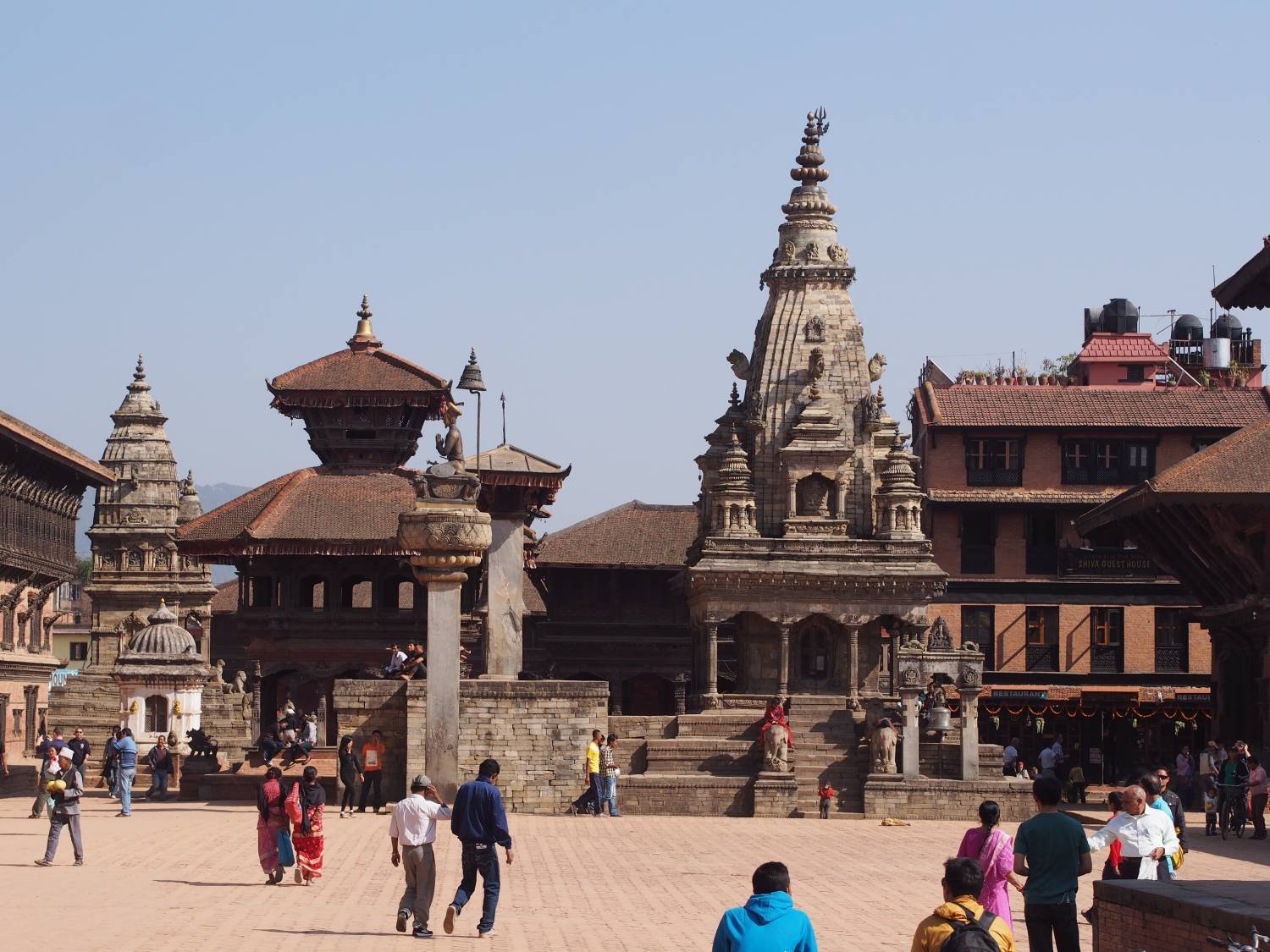
Nepal consistently ranks among the most life-changing destinations on earth. In a single two-week journey, you can stand at the foot of the highest mountain in the world, wander through thousand-year-old temple courtyards, watch one-horned rhinoceroses wade through tall grass at dawn, and eat the best dal bhat of your life in a teahouse above the clouds.
But Nepal is also a destination that rewards preparation. The country’s infrastructure, altitude, and cultural nuances require some planning — not to remove spontaneity, but to ensure you arrive ready to experience all of it fully.
This guide covers everything a first-time visitor to Nepal needs to know.
Nepal at a Glance
| Detail | Information |
|---|---|
| Capital | Kathmandu |
| Population | Approx. 30 million |
| Official Language | Nepali |
| Currency | Nepalese Rupee (NPR) |
| Time Zone | UTC +5:45 (unique in the world) |
| Religion | Predominantly Hindu (81%), Buddhist (9%) |
| Major Airport | Tribhuvan International Airport (KTM), Kathmandu |
| Electricity | 230V, Type C/D/M sockets |
| Emergency Number | 100 (Police), 102 (Ambulance) |
How to Get to Nepal
By Air
Nearly all international visitors arrive at Tribhuvan International Airport (KTM) in Kathmandu. There are direct connections from:
– South Asia: Delhi, Mumbai, Bangalore, Chennai, Dhaka, Colombo, Karachi
– Middle East: Dubai, Doha, Abu Dhabi, Bahrain, Kuwait
– Southeast Asia: Bangkok, Singapore, Kuala Lumpur, Hong Kong
– China: Chengdu, Beijing, Guangzhou, Lhasa
There are no direct long-haul flights from Europe or North America. Most western travellers connect through the Gulf (Qatar Airways, Emirates, Etihad, FlyDubai) or through Delhi.
New Pokhara International Airport (opened 2023) is gradually adding connections; check for routes if your itinerary centres on the Annapurna region.
By Land
Nepal shares open land borders with India at several crossing points. The most commonly used are:
– Sunauli–Belahiya (for connections to Varanasi and Lucknow)
– Kakarbhitta–Panitanki (for Darjeeling and Siliguri)
– Birgunj–Raxaul (for Patna and Kolkata)
The Nepal–China (Tibet) land border at Rasuwagadhi is currently open to organised tour groups only, not independent travellers.
Nepal Visa: What You Need to Know
Most nationalities (including citizens of the USA, UK, EU, Australia, Canada, and most Asian countries) can obtain a visa on arrival at Tribhuvan International Airport in Kathmandu or at major land border crossings.
Visa Options (on arrival or e-visa):
| Duration | Fee |
|---|---|
| 15 days (single entry) | USD 30 |
| 30 days (single entry) | USD 50 |
| 90 days (multiple entry) | USD 125 |
E-visa: You can apply online at nepalimmigration.gov.np before travel and collect at Kathmandu airport, which can save time at the arrivals counter.
Visa extensions: Available at the Department of Immigration in Kathmandu (Kalikasthan). Extensions cost approximately USD 3 per day.
Note: Indian citizens do not require a visa for Nepal.
Currency and Money
The Nepalese Rupee (NPR) is the local currency. As of 2025, approximately NPR 133 equals USD 1.
ATMs are widely available in Kathmandu and Pokhara but become scarce above certain altitudes on trekking routes. Withdraw sufficient cash before heading to the mountains. Most ATMs dispense a maximum of NPR 35,000–50,000 per transaction.
Currency exchange is available at the airport, in banks, and at authorised money changers throughout Thamel (Kathmandu) and Lakeside (Pokhara). Rates at the airport are acceptable but slightly worse than in town.
Credit cards are accepted at mid-range and upmarket hotels, some restaurants, and gear shops in Kathmandu and Pokhara. Budget teahouses and mountain lodges operate on cash only.
Tipping: Not formally expected but appreciated. Standard tipping rates for guides is NPR 500–1,000 per day; porters NPR 200–500 per day.
Getting Around Nepal
Domestic Flights
For reaching trekking start points quickly, Nepal’s domestic carriers are essential. Key routes:
– Kathmandu–Pokhara: 30 minutes (versus 7 hours by road). Served by Buddha Air, Yeti Airlines, Shree Airlines.
– Kathmandu–Lukla: 35 minutes (the gateway to Everest). Served by Tara Air, Summit Air.
– Kathmandu–Jomsom: 45 minutes (for Mustang trekking).
– Kathmandu–Bharatpur: 20 minutes (for Chitwan National Park).
Book early. October and November flights sell out weeks or months in advance. Weather cancellations are common (especially Lukla); always build buffer days into your schedule around domestic flight days.
Tourist Buses
Air-conditioned tourist coaches run daily between Kathmandu and Pokhara (7–8 hours, USD 8–20). They are comfortable and reliable. Local buses cover the same route for a fraction of the cost but significantly more time and discomfort.
Jeep and Jeep Share Taxis
For reaching trekking trailheads (Besisahar for Annapurna Circuit, Syabrubesi for Langtang), jeep transfers are the fastest and most practical option. Many agencies can arrange these.
Rickshaws and Taxis in Kathmandu
Metered taxis are plentiful in Kathmandu and Pokhara. Always agree on a fare before getting in or insist on the meter. Ride-hailing apps (Pathao, inDrive) are now widely used and give transparent pricing.
Motorbike Rental
Available in Kathmandu and Pokhara for experienced riders with an international licence. An excellent way to explore the Kathmandu Valley — Bhaktapur, Patan, Namo Buddha, and Nagarkot are all easily reachable by bike.
Where to Stay in Nepal
Kathmandu
Thamel is the backpacker and traveller hub — dense with hotels, gear shops, restaurants, and tour agencies. It is convenient but touristy. For a more authentic experience, consider staying in:
– Patan (Lalitpur): A beautifully preserved Newari city adjacent to Kathmandu. More peaceful than Thamel with excellent boutique hotels.
– Boudha (Bouddhanath area): Perfect for those interested in Tibetan Buddhism. The great stupa is a 10-minute walk from numerous excellent guesthouses.
Budget travellers find excellent rooms in Thamel for USD 8–20 per night. Mid-range options run USD 30–80. Kathmandu has a growing number of genuinely luxurious boutique properties in the USD 150–400 range.
Pokhara
Pokhara’s Lakeside district is the main traveller area — a pleasant, laid-back strip of cafes, guesthouses, and boat-hire operations along Phewa Lake. Views of the Annapurna Range from Lakeside on a clear morning are among the most beautiful in Nepal.
On Trekking Routes
Accommodation on popular trekking routes (EBC, Annapurna Circuit, Langtang) is provided by teahouses — family-run mountain lodges that provide a bed, meals, and basic facilities. Standards have improved dramatically and the best teahouses in Namche, Manang, and Tengboche offer clean rooms, solar showers, and extensive menus. Budget USD 5–15 per night for a room; meals cost USD 4–10 each.
Food and Drink in Nepal
Dal Bhat
The national dish and the trekker’s best friend. Steamed rice, lentil soup (dal), vegetable curry, pickles, and papadum — nutritious, filling, and endlessly refillable (ask for “dal bhat power — 24 hour”). You will eat it every other day on the trail and find yourself craving it when you get home.
Other Must-Try Dishes
- Momo — Tibetan-style steamed dumplings, filled with buff (water buffalo), vegetables, or chicken. The unofficial street food of Kathmandu.
- Thukpa — Tibetan noodle soup, warming and substantial.
- Sel Roti — A sweet, ring-shaped fried bread eaten during festivals.
- Gundruk — Fermented leafy greens, a uniquely Nepali flavour.
- Newari Cuisine — Patan and Bhaktapur offer restaurants serving traditional Newari spreads: chiura (flattened rice), yomari, and bara (lentil patties).
Drinks
- Tongba — Fermented millet beer served in a bamboo vessel with hot water, drunk through a bamboo straw. A Limbu speciality, popular in mountain regions.
- Chang — Home-brewed barley or rice beer, common in Sherpa and Tibetan communities.
- Butter Tea (Po Cha) — Salty, yak-butter-churned tea. An acquired taste that is nonetheless warming at altitude.
- Tap water — Not safe to drink. Use bottled water (consider a filtered bottle to reduce plastic waste), boiled water from teahouses, or purification tablets.
Health and Safety in Nepal
Vaccinations
Consult a travel medicine clinic 6–8 weeks before departure. Commonly recommended vaccinations include:
– Hepatitis A and B
– Typhoid
– Japanese Encephalitis (for extended stays or jungle areas)
– Rabies (for those working with animals or going off the beaten track)
– Routine vaccinations (tetanus, measles, etc.)
Malaria risk exists in the Terai (lowlands) below 1,200 m during summer months. Anti-malarial prophylaxis may be recommended if you are visiting Chitwan or Bardia between June and September.
Altitude Sickness
The single biggest health concern for trekkers. See our dedicated EBC guide for detailed advice. For any trek above 3,000 m:
– Ascend slowly
– Take acclimatisation days
– Drink 3–4 litres of water daily
– Never ascend further if you have AMS symptoms
Food Safety
Eat at busy restaurants with high turnover. Stick to cooked food, avoid raw salads in budget local restaurants, and peel your own fruit. Stomach upsets are common; pack a course of antibiotics (prescribed by your doctor at home) and oral rehydration salts.
Travel Insurance
Non-negotiable. Your policy must cover:
– Medical evacuation and helicopter rescue (to at least USD 100,000)
– High-altitude trekking (many standard policies exclude trekking above 4,000 m)
– Trip cancellation
Cultural Tips for First-Time Visitors
Nepal is a deeply religious country where Hindu and Buddhist traditions are woven into the fabric of daily life. Respecting local customs will make your visit far richer.
Temples and monasteries:
– Remove shoes before entering any temple, monastery, or someone’s home
– Dress modestly (shoulders and knees covered) at religious sites
– Walk clockwise around stupas, mani walls, and prayer wheels
– Ask before photographing religious ceremonies or people at prayer
Greeting:
– The standard Nepali greeting is “Namaste” — hands pressed together, slight bow. It means “I bow to the divine in you” and is always warmly received.
Eating and social customs:
– Traditionally, food is eaten with the right hand (the left is considered unclean)
– Accept food and drink with the right hand or both hands
– Never step over someone’s food or legs
– Public displays of affection are generally frowned upon outside tourist areas
Bargaining:
– Expected in markets and with street vendors, but not in fixed-price restaurants and shops. Bargain respectfully — the goal is a fair price, not the lowest possible price.
Photography:
– Always ask permission before photographing individuals, especially in rural areas and at religious ceremonies
– Some temples charge a photography fee; respect these rules
Suggested Nepal Itineraries for First-Timers
7 Days — Kathmandu Valley and Pokhara
- Days 1–3: Kathmandu (Pashupatinath, Bouddhanath, Swayambhunath, Durbar Squares in Kathmandu/Patan/Bhaktapur)
- Days 4–5: Pokhara (Phewa Lake, World Peace Pagoda, Sarangkot sunrise)
- Days 6–7: Optional day hike (Ghorepani–Poon Hill, 2 days) or return to Kathmandu
14 Days — Kathmandu, Trekking, and Chitwan
- Days 1–2: Kathmandu sightseeing
- Days 3–10: Everest Base Camp Trek (short version) or Langtang Valley Trek
- Days 11–12: Pokhara
- Days 13–14: Chitwan National Park (jungle safari)
21 Days — Classic Nepal
- Days 1–3: Kathmandu
- Days 4–18: Annapurna Circuit Trek (full)
- Days 19–20: Pokhara
- Day 21: Return to Kathmandu, fly home
Frequently Asked Questions
Is Nepal safe for solo travellers?
Yes — Nepal is consistently rated one of the safest countries in Asia for independent travel. The Nepali people are famously warm and welcoming. Solo female travellers are common on all major trekking routes. Standard urban common sense applies in Kathmandu.
How much money do I need per day in Nepal?
Budget travellers can get by on USD 25–35 per day (including accommodation, meals, and local transport). Mid-range travellers spend USD 50–100. A comfortable, guided trekking holiday with quality lodges typically runs USD 150–250 per person per day.
Do I need to learn Nepali?
Not at all. English is widely spoken in tourist areas, hotels, and on all major trekking routes. Learning a few phrases of Nepali (namaste, dhanyabad — thank you, bistari — slowly) is appreciated but not necessary.
Is Nepal suitable for families with children?
Absolutely. Nepal has a deep tradition of welcoming families. Chitwan safaris and the lower sections of major treks (Ghorepani–Poon Hill, lower Langtang, Sarangkot) are very child-friendly. Higher-altitude trekking should be planned carefully for children under 12.
What should I buy in Nepal?
Hand-knotted Tibetan carpets, Pashmina shawls, singing bowls, thangka paintings, handmade paper products, trekking gear (Kathmandu’s Thamel has the widest range in Asia), and local spices. Beware of counterfeit pashmina — genuine product is more expensive.
Plan Your Nepal Trip with Mantra Adventure
Nepal is complex enough to warrant the guidance of people who live and breathe it. Our team is based in Kathmandu, knows every teahouse owner on the Everest trail by name, and has been creating unforgettable Nepal experiences for travellers from around the world for over 15 years.
Whether this is your first trip or your fifth, we would love to help you get it right.
Contact Mantra Adventure to start planning your Nepal journey.
Published by Mantra Adventure | Kathmandu, Nepal | mantraadventure.com

Adventure travel expert based in Kathmandu, Nepal.